Source Disposable Class II Surgical Suction and Irrigation Tube for abdominal, laparoscopic, and general surgery
Find 30 listings for the Disposable Class II Surgical Suction and Irrigation Tube from manufacturers in China. Compare specifications, certifications, and prices for abdominal and laparoscopic applications.
Key considerations
Products List
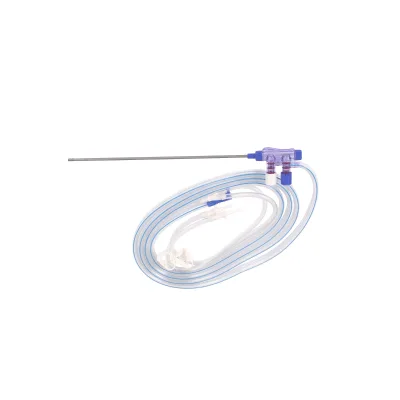


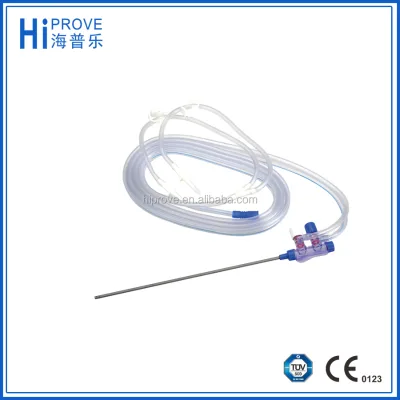


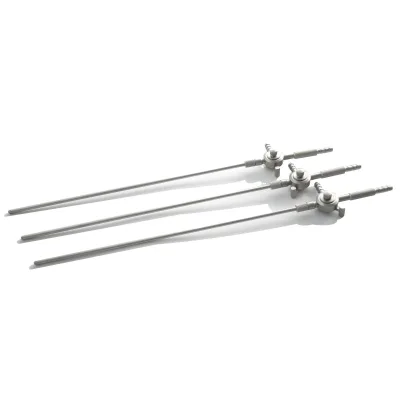
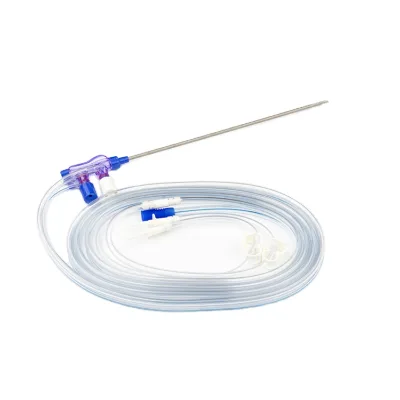
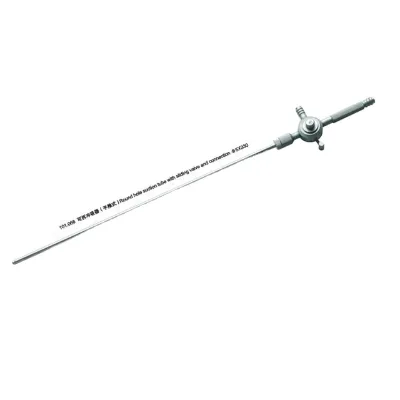
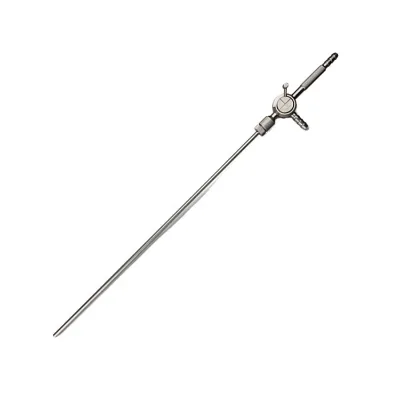

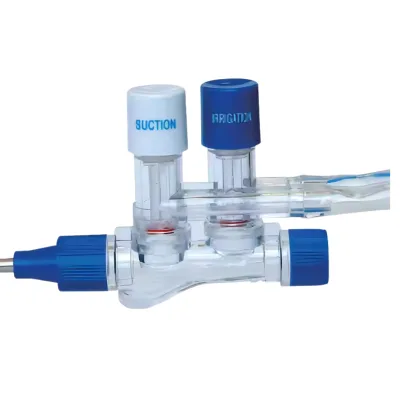


Comprehensive Sourcing Guide
Strategic Sourcing Guide for Disposable Class II Surgical Suction and Irrigation Tubes
Understanding the Product Category and Technical Specifications
The core keyword, Disposable Class II Surgical Suction and Irrigation Tube, refers to a critical category of medical consumables designed for fluid management during surgical procedures. These devices are classified as Class II medical devices, indicating a moderate to high risk profile that necessitates special controls to ensure safety and effectiveness. The primary function of these tubes is to facilitate the removal of blood, irrigation fluids, and debris from the surgical site while simultaneously allowing for the introduction of sterile fluids to maintain visibility and tissue health.
From a technical standpoint, the construction of these tubes typically involves high-grade plastic materials, ensuring flexibility and durability during complex maneuvers. The product attributes observed in the market indicate that these devices are often designed for specific applications, such as abdominal surgery, where precise fluid control is paramount. The physical dimensions of the tubes vary significantly to accommodate different surgical needs. Buyers should expect to encounter specifications ranging from 3mm to 12mm in diameter, with specific model numbers often denoting these variations. For instance, standard configurations include diameters of 3mm, 5mm, and 10mm, with lengths frequently standardized at 330mm or 440mm. This dimensional variability allows surgeons to select the appropriate tool for the depth and scope of the procedure.
The power source for these devices is predominantly manual, relying on the surgeon's control or the vacuum system's suction pressure rather than an integrated motor within the tube itself. This manual operation ensures that the device remains lightweight and easy to maneuver. Furthermore, the finish and surface treatment of the tubes are critical for patient safety and procedural efficiency. The manufacturing process typically includes a lead time of 7 to 15 days for production, suggesting a balance between rapid manufacturing capabilities and quality assurance protocols. The packaging often consists of individual units wrapped in Tyvek paper and white boxes, or bulk cartons containing 100 pieces, ensuring sterility and protection during transit.
Compliance, Certification, and Regulatory Standards
Navigating the regulatory landscape is a fundamental aspect of sourcing Class II medical devices. The global market for surgical suction and irrigation tubes is heavily regulated, with compliance serving as the primary gatekeeper for market entry. The most frequently observed certifications in the current supply base include CE marking, ISO standards, and in some instances, FDA clearance. The presence of CE certification indicates that the product meets the European Union's health, safety, and environmental protection standards. Similarly, ISO certification, often cited as ISOCE or CE&ISO, suggests adherence to international quality management systems, which is crucial for maintaining consistent product quality across different batches.
Buyers must verify that the specific supplier holds valid certificates for the exact model being procured. The documentation should explicitly state the scope of the certification, ensuring it covers the manufacturing of surgical supplies and materials. It is important to note that while some suppliers list "CE ISO FDA" as a collective attribute, the actual regulatory status for the US market (FDA) may differ from the European (CE) or general international (ISO) status. Procurement teams should request current, valid certificates from the manufacturer rather than relying solely on product listing descriptions. The "Geesing" and "Veck" brand names observed in the market are associated with products that claim these certifications, but verification of the specific certificate numbers and expiration dates is essential for risk mitigation.
Additionally, the sterilization method is a critical compliance factor. Ethylene Oxide (EtO) sterilization is a standard process noted in the product attributes, ensuring that the devices are free from viable microorganisms prior to use. This method is particularly important for single-use, disposable items intended for invasive procedures. The shelf life of these products is typically two years, a period that must be strictly monitored to ensure that the sterility barrier remains intact until the point of use. Buyers should always check the expiration date on the packaging and ensure that the logistics chain does not expose the product to conditions that could compromise the sterilization integrity.
Cost Drivers and Pricing Dynamics
The pricing structure for disposable Class II surgical suction and irrigation tubes is influenced by several dynamic factors, including material costs, certification expenses, and order volume. The observed price range in the market spans from $0.30 to $96.63 USD per unit or per set. This wide variance is not indicative of quality differences alone but rather reflects the complexity of the product configuration, the inclusion of accessories, and the specific packaging requirements. Lower-priced items often represent single units or basic configurations, while higher-priced entries may include specialized kits, custom branding, or bulk packaging solutions.
The Minimum Order Quantity (MOQ) is another significant driver of cost efficiency. The market data shows an MOQ range from 1 piece to 5,000 pieces. For small hospitals or clinics with sporadic usage needs, suppliers offering an MOQ of 1 piece provide a viable entry point, albeit at a higher unit cost. Conversely, large procurement entities can leverage economies of scale by ordering in bulk, potentially reducing the per-unit cost significantly. The supply ability of manufacturers, often cited as 10,000 pieces per month, indicates that the market has sufficient capacity to handle large orders without significant bottlenecks, provided the lead time is managed correctly.
Shipping and logistics also play a role in the total cost of ownership. The observed shipping methods include major international carriers such as DHL, UPS, FedEx, EMS, and TNT Air Cargo. The choice of shipping method depends on the urgency of the order and the budget constraints. Air cargo is generally faster but more expensive, while sea freight offers cost savings for large, non-urgent shipments. Buyers should factor in the port of dispatch, which can vary from Beijing and Tianjin to Qingdao, Shanghai, Ningbo, and Guangzhou, depending on the supplier's location in China. The origin of the products, primarily Zhejiang and Shandong provinces, suggests a concentrated manufacturing hub that can offer competitive pricing due to established supply chains and specialized labor.
Typical Applications and Clinical Utility
The primary application for disposable Class II surgical suction and irrigation tubes is in abdominal surgery, where the management of fluids is critical for maintaining a clear operative field. These devices are categorized under abdominal surgery equipment and are designed to handle the specific challenges of laparoscopic and open procedures. The "Laparoscopic Irrigation Tube" designation highlights their utility in minimally invasive surgeries, where space is limited, and precision is paramount. The ability to switch between suction and irrigation modes allows surgeons to clear blood and debris while simultaneously flushing the area to improve visibility.
Beyond abdominal procedures, the versatility of these tubes extends to various surgical groups, including adult, child, and infant populations. The availability of different diameters, such as 3mm, 5mm, and 10mm, ensures that the devices can be tailored to the anatomical requirements of different patient demographics. For pediatric surgeries, smaller diameter tubes are essential to minimize trauma and accommodate smaller incisions. The "Disposable" feature is a key attribute, emphasizing that these devices are intended for single-use to prevent cross-contamination and infection. This aligns with modern infection control protocols and reduces the burden of reprocessing equipment.
The product features also include customization options, allowing suppliers to tailor the tubes to specific hospital requirements or surgical preferences. This could involve variations in length, color, or the inclusion of specific connectors. The "Blue and White" color scheme observed in some products may serve as a visual indicator for specific types or sizes, aiding in quick identification during high-pressure surgical environments. The "Needle, Hook" type mentioned in some attributes suggests that certain models may integrate additional functionalities, such as tissue manipulation or specific cutting capabilities, although the primary function remains fluid management.
Supplier Evaluation and Selection Criteria
Selecting the right supplier for Class II surgical devices requires a rigorous evaluation process that goes beyond price comparison. Buyers should prioritize suppliers who demonstrate a robust quality management system and a proven track record of compliance. The presence of certifications like CE, ISO, and FDA is a baseline requirement, but the depth of the supplier's quality assurance processes should also be assessed. Suppliers with a "Quality Guarantee Period" of one to two years indicate confidence in their product durability and performance.
Geographic location is another factor to consider. The majority of suppliers are located in China, specifically in Zhejiang and Shandong provinces. While this offers cost advantages, buyers must ensure that the supplier has the logistical capability to deliver products reliably to their destination. The "Port of dispatch" options, ranging from major coastal cities to inland hubs, suggest a flexible logistics network. However, buyers should verify the actual shipping capabilities and lead times, which are typically cited as 7 to 15 days. This lead time includes both production and preparation for shipment, so it is crucial to align this with the hospital's inventory management schedule.
Brand reputation and after-sales support are also critical. Suppliers offering "Online technical support" demonstrate a commitment to customer service, which can be invaluable in resolving any issues related to product performance or regulatory documentation. The "Customization" availability indicates a supplier's willingness to adapt to specific buyer needs, which can be a significant advantage for large procurement contracts. Buyers should also evaluate the packaging details, ensuring that the "1pcs/bag" or "100PCS/Carton" configurations meet their storage and distribution requirements. Finally, the "Logo Printing" options, whether with or without branding, allow buyers to maintain their own hospital branding or remain neutral, depending on their procurement strategy.
Quality Control and Long-Term Procurement Considerations
Maintaining high-quality standards in the procurement of surgical suction and irrigation tubes requires a proactive approach to quality control. Buyers should implement a system for regular audits and testing of incoming products to ensure they meet the specified standards. The "3/5/10/12mm" standard and "5x330 5x440 10x330 10x440" specifications should be verified against the actual received goods to prevent discrepancies. The "Ethylene Oxide Sterilization" process must be validated to ensure that the sterility assurance level (SAL) meets the required medical standards.
Long-term procurement considerations involve building a sustainable relationship with suppliers that can adapt to changing market conditions and regulatory requirements. The "Supply Ability" of 10,000 pieces per month suggests that suppliers have the capacity to scale, but buyers should establish contingency plans for potential supply chain disruptions. The "Two Years" shelf life provides a reasonable window for inventory management, but buyers should adopt a first-expiry-first-out (FEFO) strategy to minimize waste. Additionally, the "Customization" feature allows for long-term contracts where the supplier can produce devices tailored to the specific needs of the hospital, potentially reducing costs and improving surgical outcomes.
In conclusion, sourcing disposable Class II surgical suction and irrigation tubes requires a balanced approach that considers technical specifications, regulatory compliance, cost dynamics, and supplier reliability. By adhering to the guidelines outlined in this guide, buyers can make informed decisions that ensure the safety and efficacy of their surgical procedures while maintaining cost efficiency and supply chain resilience. The market offers a wide range of options, from basic single-use tubes to customized solutions, allowing procurement teams to select the best fit for their specific operational needs.
FAQs
What certifications do these tubes hold?
These tubes hold CE and ISO certifications, with some listings also indicating FDA clearance. Buyers must verify specific certificate numbers and validity dates for the exact model before procurement to ensure regulatory compliance.
How long is the shelf life of the product?
The shelf life is typically two years from the date of manufacture. Users must strictly monitor expiration dates on the packaging to ensure sterility remains intact until the point of clinical use.
Can I customize the product with my logo?
Customization is available, including options for logo printing with or without branding. Suppliers offer this service to tailor products to specific hospital requirements or surgical preferences.
What is the minimum order quantity for purchase?
The minimum order quantity ranges from 1 piece to 5000 pieces depending on the supplier. Small clinics can order single items, while large entities can leverage bulk orders for cost efficiency.
Which specifications are available for the tube diameter?
Available diameters include 3mm, 5mm, 10mm, and 12mm to suit different surgical needs. Lengths are often standardized at 330mm or 440mm to accommodate various abdominal and laparoscopic procedures.
How is the product sterilized before use?
The product undergoes Ethylene Oxide sterilization to ensure it is free from microorganisms. This process is critical for maintaining safety standards for single-use, disposable surgical instruments.